
You sat down hungry. You were looking forward to this. Three bites in, the whole thing goes flat.
You are not full. Nothing hurts. You just do not want it anymore, and the plate that looked great ninety seconds ago now looks like homework.
Quick answer: Hunger and appetite are two different systems. Hunger is your body asking for fuel. Appetite is your brain staying interested in the food in front of you. When appetite vanishes a few bites in, the usual causes are sensory (the same flavor repeating until your brain tunes out), stress, a scrambled eating schedule, and a learned link between eating and discomfort. That last one is the sneaky one. If meals keep ending in bloating or heaviness, your appetite starts backing away before your stomach gets involved, which is where Eat Anything Rx comes in.
This is different from feeling stuffed, and the two are worth separating because the fixes are almost opposites.
If your problem is that you feel physically full very fast, start with our guide on why you feel full after just a few bites.
If the problem is that the wanting evaporates, keep reading.
Hunger and appetite are not the same thing
Hunger is physiological. It runs on blood sugar, an empty stomach and hormone signals, and it is fairly blunt: your body needs fuel, so it turns on the light.
Appetite is the other half, the wanting. It runs on smell, taste, texture, temperature, novelty, mood and memory.
more food was eaten when sandwich fillings changed through a meal than when the same filling was served the whole way through. Your brain gets bored before your stomach gets full.Source: Rolls, Rowe and Rolls, reviewing their sensory-specific satiety experiments, 1982 (Physiology and Behavior series, 1981)
It is a much more fragile system, and it can switch off while hunger is still very much switched on.
That combination is exactly what people describe: still hungry on paper, completely uninterested in practice. It is the culinary equivalent of a song you loved until the third chorus.
What actually shuts appetite down mid-meal
1. Sensory-specific satiety, also known as your brain getting bored
Your brain tracks flavors individually. As you keep eating the same one, the reward from that flavor drops sharply while your interest in other flavors stays intact.
This is why dessert is still appealing after you have pushed away a plate of chicken and rice. The dessert department never clocked out.
American adults said they had dealt with bloating in just the past week. That is a lot of brains quietly learning that dinner has consequences.Source: survey of 88,795 US adults, Oh et al., Clinical Gastroenterology and Hepatology, 2023 (13.9%)
A meal that is one texture and one flavor note (a bowl of plain oatmeal, a mountain of one steamed vegetable, a smoothie) runs that clock down fast.
Three bites in, the novelty is gone, and so is the appetite.
The fix is contrast, not quantity. A squeeze of lemon and a handful of fresh herbs does more for a stalled appetite than a bigger portion ever will.
2. Your body has learned that eating ends badly
This is the mechanism most people miss, and it is often the real one.
If meals have reliably been followed by bloating, gas, heaviness or an afternoon of discomfort, your brain files that pattern away. It does not ask your permission.
6 ways to coax your appetite back tonight
- Wake up your senses before the first bite. Smell the food. Add herbs, citrus, vinegar, black pepper or a little heat. Aroma is the on-switch.
- Build contrast into the plate. Two textures minimum, and at least one bright or acidic element. Monotony is the enemy here, not portion size.
- Serve it warm. Warm food smells more, and smelling more keeps appetite engaged longer.
- Take five minutes to downshift first. A short walk, a few slow breaths, sitting down properly. Anything that tells your body the meal is not an emergency.
- Eat on a rhythm. Regular meals with protein and fiber mean you arrive gently hungry rather than ravenous or numb. Our post on eating slowly covers the pace side.
- Remove the discomfort that taught your appetite to quit. If eating has consistently been followed by bloating or heaviness, that association is doing more damage than any recipe can undo.
After enough repetitions, appetite starts fading early as a protective move. The body is quietly reducing its exposure to a thing that keeps going wrong.
People in this situation usually describe a slow narrowing. First a few foods get avoided, then whole categories, then meals out, and eventually the desire to eat much of anything gets thin.
Often the underlying issue was never appetite at all. Certain foods were not being broken down well, and everything after that was downstream.
That is the gap Eat Anything Rx was built to close, and we will get to it.
“Really impressed with these! I can finally enjoy different foods without the usual discomfort. Easy to take, no bad aftertaste, and they actually work. Will definitely keep using!”
— Anastasiia Radysh, Amazon Verified Purchase · Read more reviews
3. You are eating in fight-or-flight
Digestion is a rest-and-digest activity. Eat while stressed, rushed, scrolling or mid-argument, and your body deprioritizes the whole operation: less blood flow to the gut, less enzyme release, less interest in food.
Appetite is one of the first things sacrificed when the nervous system thinks something more urgent is happening. You cannot always fix the stress.
You can usually protect one calm meal a day, which is a surprisingly effective intervention.
4. Your schedule scrambled the signal
Skipping meals, then arriving at dinner ravenous, tends to overshoot. You eat fast, the first bites hit hard, and appetite shuts off before you have eaten a reasonable amount.
| What you notice | What is likely happening | Where to start |
|---|---|---|
| Still hungry, but the food stops appealing | Appetite fatigue: sensory monotony, stress, or a learned link between eating and discomfort | Add contrast and aroma, protect one calm meal, address the discomfort |
| Physically full very fast, uncomfortably so | Slow transit: food sitting rather than moving | Chew thoroughly, slow the meal, support digestion with enzymes (see why you get full so fast) |
| Full for hours afterward, heavy and sluggish | Delayed breakdown, often food-specific | Track which foods precede it and look for the enzyme gap |
Heavy caffeine, alcohol the night before and eating very late all blunt the appetite signal the following day as well.
5. Temperature, timing and other unglamorous variables
Cold food is less aromatic, and aroma drives a large share of appetite. A warm meal smells like something. A cold one often does not.
Drinking a large volume of liquid right before eating fills the space without delivering any of the sensory cues that keep appetite going.
When comfort comes back, appetite usually follows
If your interest in food faded alongside a stretch of consistently uncomfortable meals, the two are probably connected.
And the discomfort side has a fairly direct explanation. Different foods need different enzymes, and being short on one means that food does not break down efficiently.
Whatever is not broken down upstairs becomes catering for the bacteria downstairs.
Here is the unfair part. Plenty of people try one digestive enzyme, expect it to fix everything, conclude that enzymes do not work, and go back to avoiding food.
That is a bit like buying reading glasses and wondering why they did not fix your hearing.

Taken shortly before a meal, Eat Anything Rx does the breakdown work your body may be short-handed on.
The xylose isomerase in it is the one with the strongest human research: a 2012 placebo-controlled study by Komericki and colleagues found it reduced symptoms in people with fructose malabsorption.
Meals that used to end badly stop ending badly, and the association your appetite built starts to come apart. Not overnight.
Over a few weeks of ordinary dinners that simply go fine.
A plate your appetite says yes to
If appetite is the thing that keeps quitting early, build meals for interest rather than volume.
- A warm base. Cooked vegetables, a grain, a soup that actually smells like something.
- A palm-sized portion of protein, seasoned properly rather than plain.
- One bright element. Lemon, vinegar, pickled onion, fresh herbs, a little chili.
- One contrasting texture. Toasted seeds, nuts, something with crunch.
- Smaller portions, served more often, so no single plate has to carry the whole job. If small plates still feel like too much, read why small meals can make you feel overstuffed.
Losing interest in food after a few bites means your stomach has shrunk.
Losing the wanting is a brain-side signal, not a stomach-size problem. Capacity and desire are run by different systems, which is why you can be hungry and uninterested at the same time.
The goal is not to eat more in one sitting. It is to keep the meal interesting long enough to eat a reasonable amount of it.
Hunger, appetite and fullness at a glance
When to talk to a doctor
Most appetite dips are situational and respond to the changes above. Some are not, and appetite loss is one symptom worth taking seriously rather than troubleshooting indefinitely on your own.
Check in with a healthcare provider if the appetite loss is persistent rather than occasional, or if it comes with unintended weight loss, difficulty swallowing, vomiting, pain, fever, or a noticeable drop in mood or energy.
Certain medications also suppress appetite as a side effect, so bring your current list. A short log of what you ate, when, and how you felt afterward will make that appointment considerably more productive.
Comfortable meals are the foundation of a normal appetite
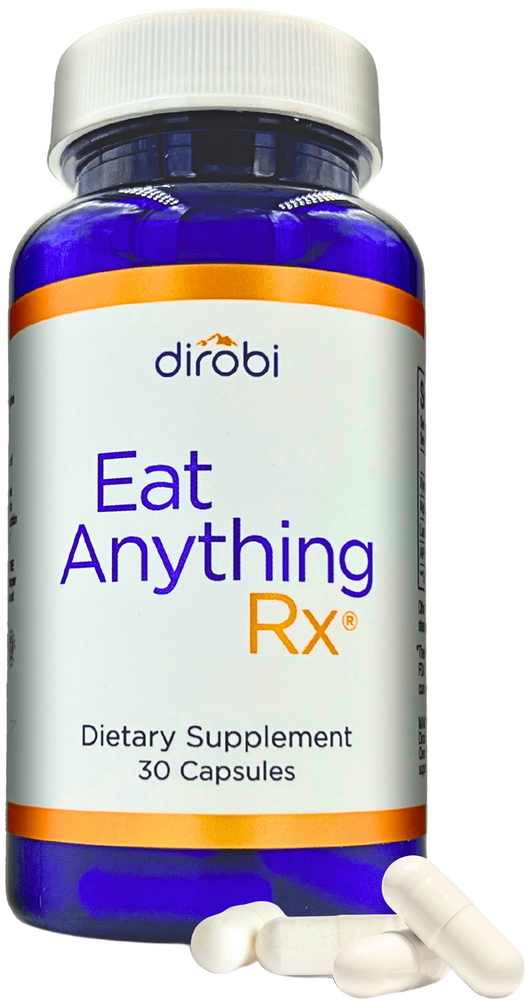
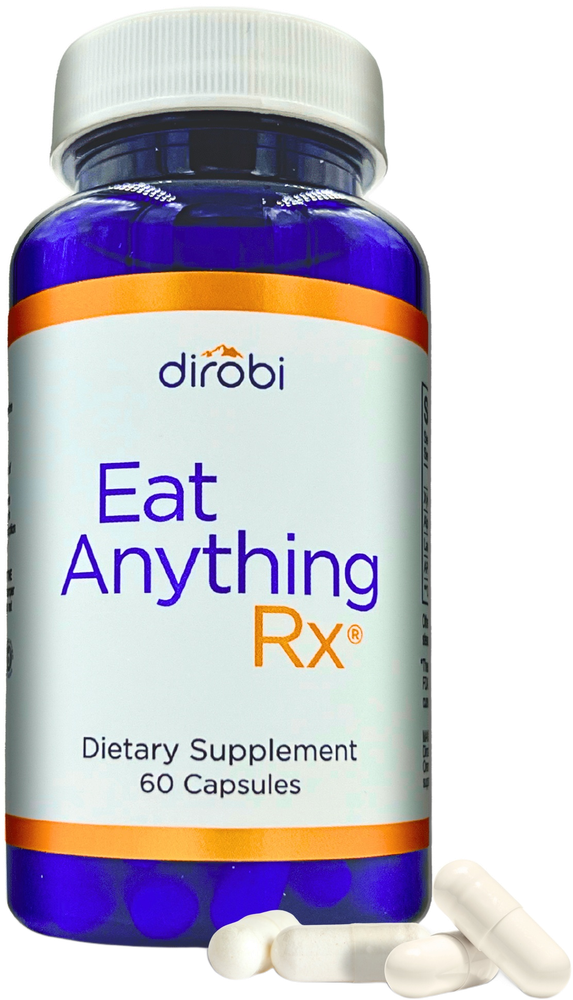
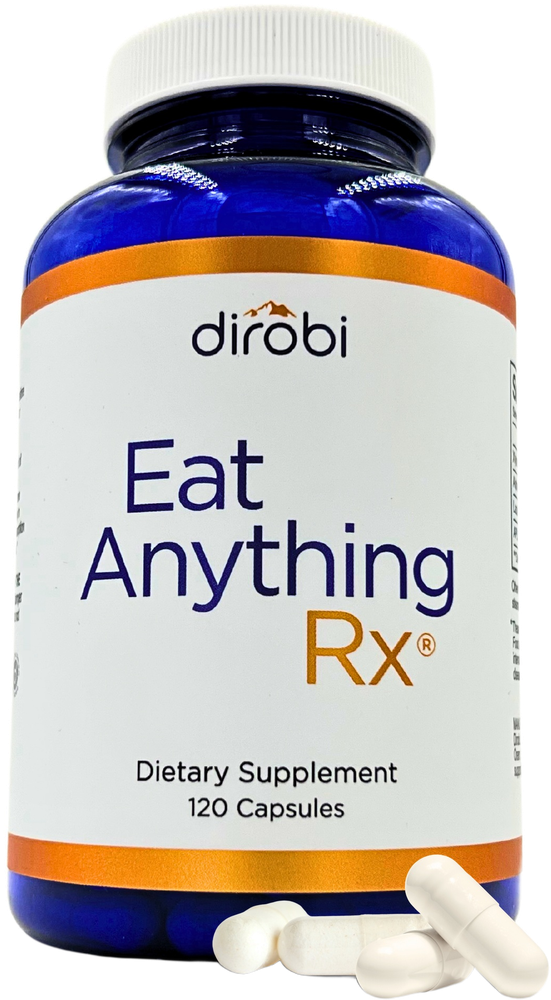
If eating has meant bloating and heaviness for a while, your appetite has good reason to be cautious. Eat Anything Rx targets the foods most likely to be behind that, so the wanting has room to come back.
- ✓One or two capsules before each meal
- ✓Enzymes for starch, protein, fat, fiber, beans and fructose
- ✓Lacto-Wise probiotic and prebiotic included
Common questions
Why does my appetite disappear after only a few bites?
Usually because appetite and hunger are separate systems. Appetite runs on smell, taste, texture and mood, and it fades quickly when a meal is monotonous, when you are eating under stress, or when your body has learned to associate eating with discomfort afterward. You can be genuinely hungry and still lose all interest in the plate in front of you.
Is losing my appetite the same as feeling full quickly?
No, and the difference matters. Feeling full quickly is a physical sensation of pressure or fullness, usually related to how slowly food is moving through the stomach. Losing appetite is a loss of desire without that physical fullness. Early fullness points toward digestion and transit time, while appetite loss points toward sensory, emotional and learned factors.
Can digestive discomfort cause appetite loss?
It commonly contributes. When meals are repeatedly followed by bloating, gas or heaviness, the body forms an association between eating and feeling unwell, and appetite tends to fade earlier as a result. Many people find that interest in food returns gradually once meals stop being uncomfortable. Enzyme support such as Eat Anything Rx is one way to work on that side of the problem.
How can I get my appetite back?
Start with the senses: serve food warm, add aroma with herbs and spices, and build contrast in flavor and texture rather than increasing portion size. Protect at least one calm, unhurried meal each day, eat on a regular rhythm so you arrive gently hungry, and address any digestive discomfort that has been following meals.
When should I see a doctor about appetite loss?
See a healthcare provider if appetite loss is persistent rather than occasional, or if it comes with unintended weight loss, difficulty swallowing, vomiting, pain, fever, or a marked drop in mood or energy. Some medications also suppress appetite, so bring your current list to the appointment.
More in this series: Why Do I Feel Full After Just a Few Bites? (start here) · Why Do I Feel Full but Still Hungry? · How Long Does It Take for Digestive Enzymes to Work?
By Dave Sherwin, PN1 Certified Nutrition Coach
